Long Island Property Owners Urged to Verify Asbestos Requirements Before Renovation, Remodeling or Demolition
Quest Mold & Asbestos Inspections explains why a local building permit does not replace an asbestos survey required
Press Release Disclaimer: This is a press release distributed through the XPR Media network. It has not been independently verified by our newsroom.
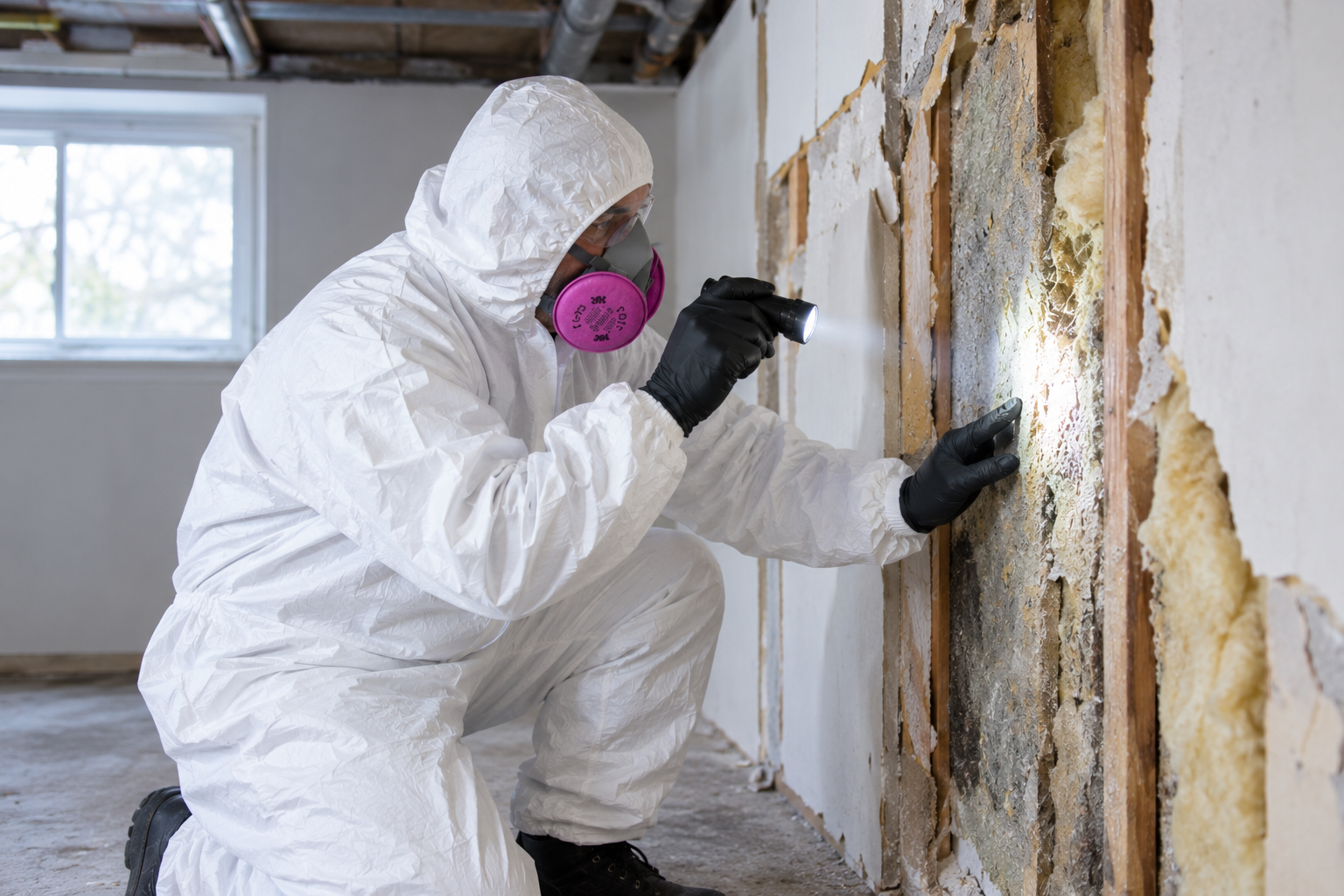

Quest Mold & Asbestos Inspections explains why a local building permit does not replace an asbestos survey required under New York State regulations.
ROSLYN HEIGHTS, NY, UNITED STATES, September 29, 2026 /EINPresswire.com/ — Quest Mold & Asbestos Inspections and Testing Corp. highlights why a local building permit should not be confused with an asbestos survey required under New York State regulations.
Quest Mold & Asbestos Inspections and Testing Corp. is raising awareness among Long Island property owners about asbestos survey requirements that may apply before demolition, renovation, remodeling or repair work begins.
An important distinction for property owners is that obtaining a local building or demolition permit does not, by itself, establish that an asbestos survey has been performed.
New York State Industrial Code Rule 56 establishes asbestos survey requirements for applicable demolition, renovation, remodeling and repair projects. Subject to specific exemptions and circumstances identified in the regulation, asbestos surveys must be completed before work begins.
Where the survey requirement applies, the survey must be performed by a licensed asbestos contractor using appropriately certified New York State asbestos inspectors. The purpose of the survey is to determine whether the building, structure or affected portion contains asbestos-containing material, presumed asbestos-containing material or other asbestos material.
New York State Department of Labor guidance also states that a copy of the completed asbestos survey must be provided to the local jurisdiction responsible for issuing the applicable permit and to the appropriate New York State Asbestos Control Bureau District Office.
This distinction can sometimes be misunderstood because Long Island towns, cities and villages maintain their own local building-permit procedures.
“The concern is that a property owner may see an approved demolition or renovation permit and assume that the property has already been inspected for asbestos,” said Meir Efargan of Quest Mold & Asbestos Inspections and Testing Corp. “Property owners should verify the asbestos requirements applicable to their project and confirm that any required survey has been performed by a properly certified New York State asbestos inspector before suspect materials are disturbed.”
Asbestos may be present in a variety of building materials, including floor tiles and mastics, pipe and boiler insulation, roofing and siding materials, ceiling materials, joint compounds, textured coatings and other construction products.
When asbestos-containing materials are disturbed during demolition or renovation without appropriate procedures and controls, asbestos fibers can become airborne.
New York State asbestos regulations contain exemptions and special circumstances, so requirements should be evaluated based on the particular property and proposed work. Code Rule 56 contains provisions affecting certain buildings and certain one- and two-family dwellings under specified circumstances. An exemption from a particular survey requirement also does not necessarily eliminate other applicable federal, state or occupational-safety requirements.
How New York City Is Different
New York City’s asbestos process provides a useful comparison. NYC more directly integrates asbestos assessment into the Department of Environmental Protection and Department of Buildings permitting process.
For applicable work determined not to constitute an asbestos project, an Asbestos Assessment Report, commonly known as an ACP-5, is submitted to DEP and verified by DOB as part of the permit process. Standard full-building demolition generally requires an ACP-5 indicating that the entire building is free of asbestos-containing material, subject to specified exceptions.
Long Island municipalities do not use New York City’s ACP-5 system. Property owners instead need to consider applicable New York State asbestos regulations together with requirements imposed by the municipality issuing the building or demolition permit.
What Property Owners Should Verify
Before demolition or significant renovation begins, property owners should determine whether an asbestos survey is required, who performed the survey, which materials and areas were evaluated, and whether asbestos-containing materials identified by the survey will be disturbed by the proposed work.
The central point for property owners is straightforward:
A local building permit and an asbestos survey serve different purposes.
Understanding that distinction before work begins can help property owners and contractors identify potential asbestos issues before suspect building materials are disturbed.
About Quest Mold & Asbestos Inspections and Testing Corp.
Quest Mold & Asbestos Inspections and Testing Corp. is an independent environmental inspection and testing company serving Long Island and the New York metropolitan area. The company provides asbestos inspections and testing, mold assessments, indoor air-quality testing, VOC testing and other
environmental testing services.
Meir Efargan
Quest Mold and Asbestos Inspections and Testing Corp.
+1 917-277-7580
info@quest-testing.com
Visit us on social media:
LinkedIn
Instagram
Facebook
YouTube
TikTok
Legal Disclaimer:
EIN Presswire provides this news content “as is” without warranty of any kind. We do not accept any responsibility or liability
for the accuracy, content, images, videos, licenses, completeness, legality, or reliability of the information contained in this
article. If you have any complaints or copyright issues related to this article, kindly contact the author above.

Media gallery