
Ancient Mammal Fossil Offers Oldest Glimpse of Key Mammalian Traits from Dinosaur Era
A surprising mammal fossil from the Middle Jurassic period, when dinosaurs still reigned, is providing scientists with some of the oldest evidence of distinctly mammalian traits such as chewing, swallowing, and suckling.
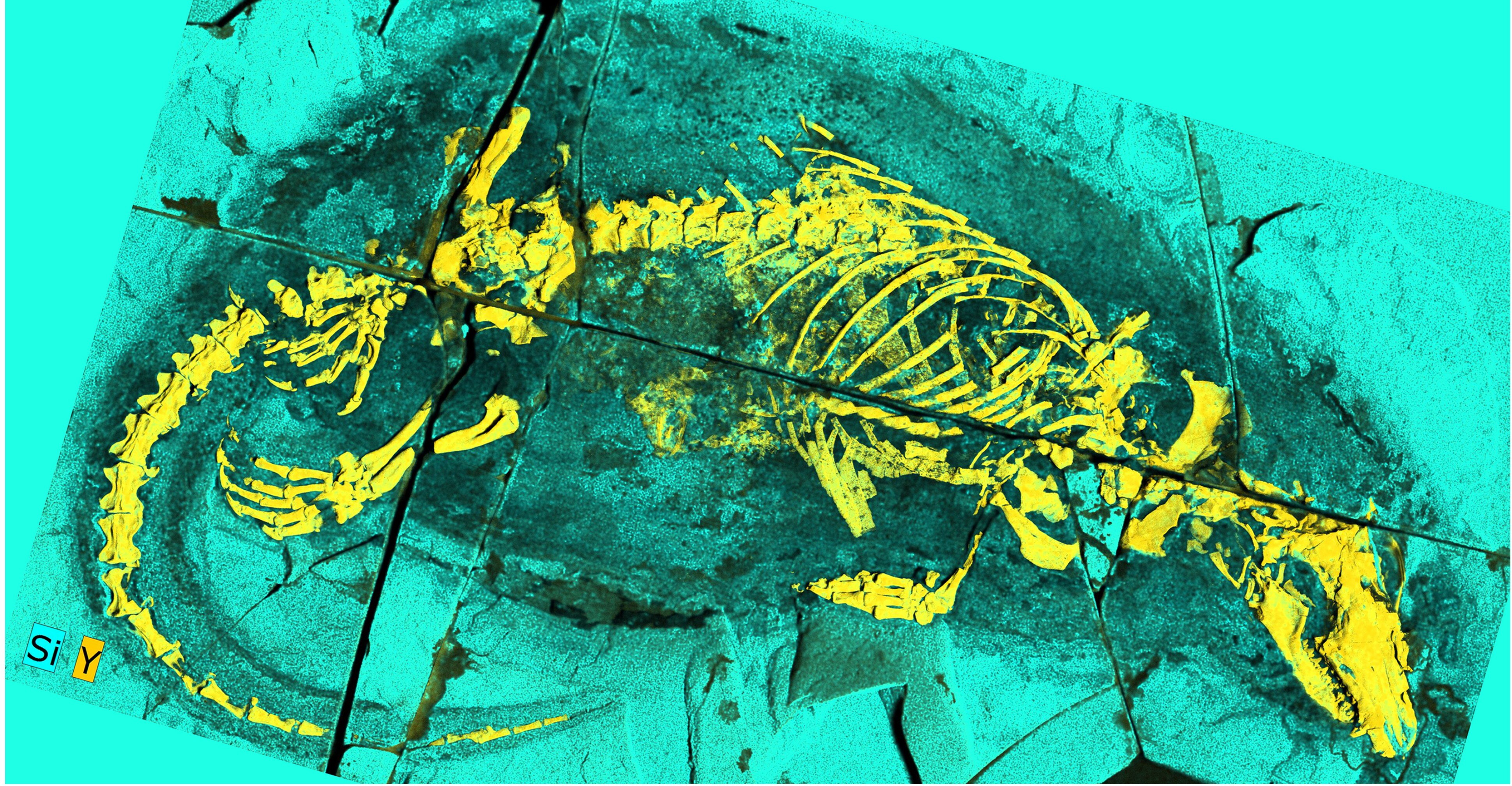
 Grand Rapids Kalamazoo Battle Creek, MI, October 7, 2026 — A recently discovered mammal fossil from the Middle Jurassic period is offering scientists unprecedented insights into the evolutionary history of mammals. The fossil dates back to an era when dinosaurs dominated the Earth, providing some of the oldest evidence of distinctly mammalian characteristics.
The discovery is significant because it pushes back the timeline for when key mammalian traits began to appear. These traits include specialized chewing, the ability to swallow food in a particular manner, and evidence suggesting the capacity for suckling young. These functions are fundamental to mammalian survival and reproduction, setting them apart from other animal groups.
The Middle Jurassic period, spanning roughly from 174 to 163 million years ago, was a time of immense diversification for dinosaurs. The existence of a mammal with such advanced traits during this period indicates that mammals were evolving concurrently and developing specialized adaptations even while larger, dominant species like dinosaurs roamed the planet.
Details regarding the specific species of mammal, the exact location of the fossil discovery, and the scientific institution leading the research were not provided in the summary. However, the fossil’s preservation is reportedly remarkable enough to allow for detailed analysis of its skeletal structure and inferred behaviors.
Scientists are examining the fossil to understand the evolutionary pressures and environmental conditions that may have driven the development of these mammalian characteristics. The findings could reshape current understanding of early mammalian evolution and their ecological niche during the Mesozoic Era.
Further research is expected to reveal more about the mammal’s diet, reproductive strategies, and its relationship to modern mammal lineages. The implications of this fossil are far-reaching, contributing to the ongoing effort to piece together the complex tapestry of life on prehistoric Earth.
Story summarized from the original created by Ari Daniel on www.npr.org, see more information here.
Media gallery
